






Table of Contents
Egg Freezing in Miami, Florida
For women considering fertility preservation, Egg Freezing Miami represents a meaningful step toward securing future family-building options. At Elite IVF Solutions in Weston, we offer oocyte cryopreservation that combines advanced vitrification technology with a warm and supportive setting. This process involves carefully retrieving and flash-freezing a woman's eggs so they can be stored for use when the time is right -- whether that choice is driven by career goals, medical circumstances, or personal readiness. We understand this is a deeply personal decision, and our team provides personalized care every step of the way.
Our clinic's patient-centric philosophy means we tailor every aspect of fertility preservation to your unique needs, offering individualized medical care backed by emotional support and a personal approach that respects your timeline. While the decision to freeze your eggs is empowering, we know it comes with important questions about egg freezing success rates and what the journey entails. Later sections of this article will walk you through the step-by-step process, explore egg freezing cost considerations, and help you understand what success rates mean in the context of your own health profile. The information on this website is for educational purposes and is not personal medical advice. Please consult a healthcare professional for your specific situation.
The Basics of Egg Freezing and Fertility Preservation
Miami egg freezing has become an increasingly popular path for women seeking to preserve their fertility for future use. Egg freezing, or oocyte cryopreservation, allows a woman to store her eggs when they are healthiest, creating the option to attempt pregnancy later in life when natural fertility may have declined.
According to the Cleveland Clinic, the process typically involves ovarian stimulation with hormone injections, followed by a brief outpatient egg retrieval under anesthesia. The collected eggs are then rapidly frozen through vitrification, a flash-freezing technique that prevents ice crystal formation and has dramatically improved survival rates. A woman's age at the time of freezing is the single most important factor influencing future success, as egg quality and quantity decline over time.
Because egg count is closely linked to age, the number of eggs you freeze directly impacts your chances of a live birth. To give you a clearer picture, here's how the recommended number of eggs varies by age:
| Age at Freezing | Recommended Number of Eggs to Freeze | Estimated Chance of a Live Birth (per thaw cycle) |
|---|---|---|
| Under 35 | 10-15 eggs | 40-50% |
| 35-37 | 15-20 eggs | 30-40% |
| 38-40 | 20-30 eggs | 20-30% |
| Over 40 | 30+ eggs (may require multiple cycles) | Below 20% |
As the table illustrates, egg freezing success rates decline with advancing age, and the recommended number of eggs to freeze increases accordingly. Common clinical guidelines report that per-egg success rates range from about 4% to 12%. While these figures serve as a helpful benchmark, they represent population averages--your individual ovarian reserve, health, and treatment protocol all play an important role. Factors such as egg freezing cost and personal timeline often guide the conversation. It's also essential to understand that egg freezing does not guarantee a future pregnancy; thawing, fertilization, and embryo transfer each introduce additional variables.
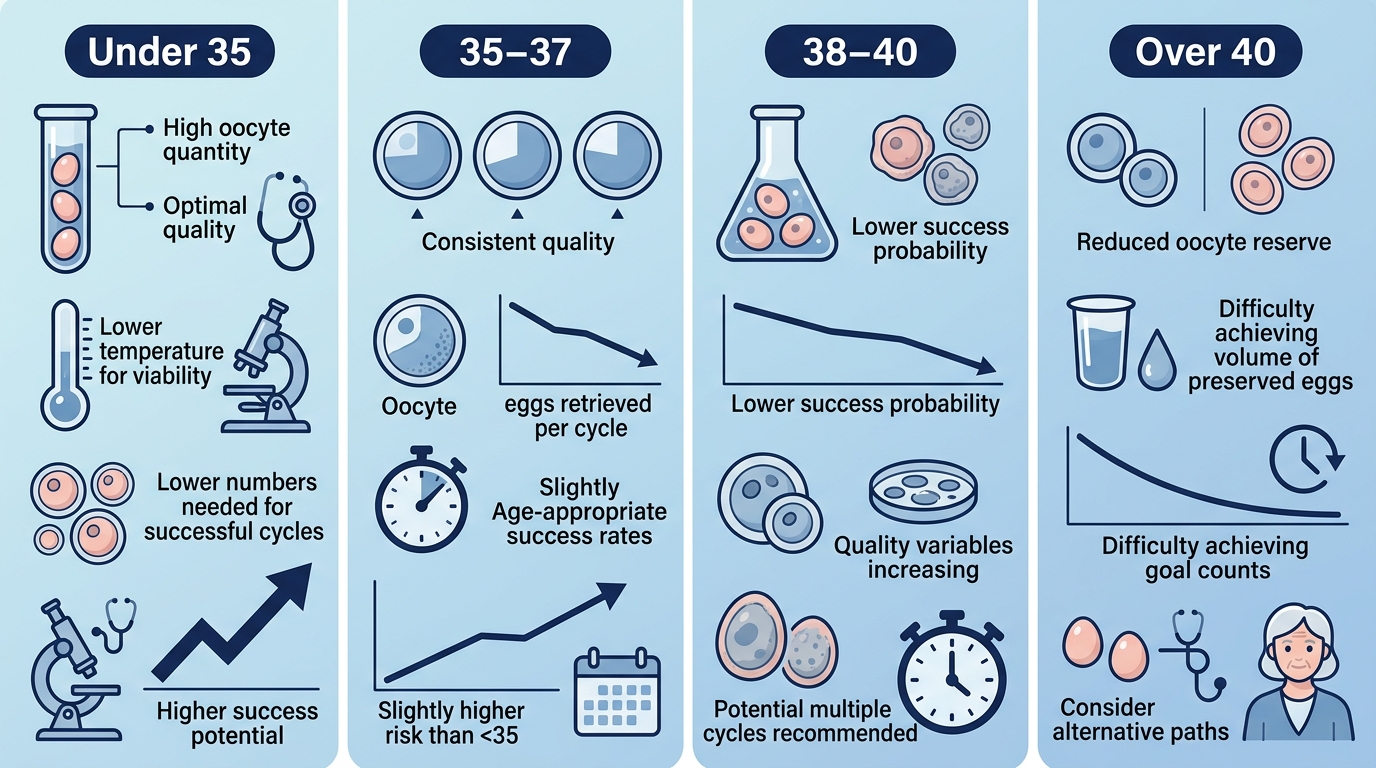
Age-based egg freezing guidance with four age groups.
At Elite IVF Solutions, we offer a full range of fertility preservation options designed to support your unique fertility journey. Understanding the basics is the first step; in the next section, we walk you through the actual egg freezing procedure from start to finish.
Factors That Influence Egg Freezing Success Rates
Now let's explore the key factors that affect egg freezing success rates. Understanding these variables helps patients set realistic expectations and make informed decisions. For those considering Miami egg freezing, age, egg survival, and the number of eggs retrieved are among the most critical determinants of a successful outcome.
Age and Its Impact on Egg Quality
Female age is the single most important factor influencing egg freezing success. As women age, both the quantity and quality of their eggs decline, particularly after age 35. The table below illustrates how success rates shift with age.
| Age at Egg Retrieval | Egg Survival Rate (Vitrification) | Number of Eggs Needed for One Live Birth (Predicted) |
|---|---|---|
| Under 35 | >90% | ~10 eggs |
| 35-37 | >90% | ~15-18 eggs |
| 38-40 | >90% | ~20-30 eggs |
| Over 40 | >90% | 30+ eggs (may require multiple cycles) |
Understanding Vitrification and Egg Survival
Vitrification is a flash-freezing technique that achieved over 90% egg survival across all age groups. It rapidly cools eggs to -196 degrees Celsius, preserving their integrity for years. Because survival rates are consistently high, the primary factor limiting egg freezing success is the quality of the eggs at the time of retrieval.
How Many Eggs Needed for a Realistic Chance of Pregnancy
The number of eggs frozen directly impacts the likelihood of a live birth. Research suggests that for women under 35, freezing approximately 10 eggs provides a realistic chance of one baby, while those aged 35-37 may need 15-18 eggs, and women 38-40 should aim for 20-30 eggs. Over age 40, 30 or more eggs are often required. Once eggs are frozen, the subsequent frozen embryo transfer process is a critical step in achieving pregnancy.
The Egg Freezing Procedure: What to Experience in South Florida
From start to finish, the egg freezing process in South Florida takes two to three weeks. Whether exploring Weston Egg Freezing, we at Elite IVF Solutions guide you.
Step-by-Step: From Initial Consultation to Storage
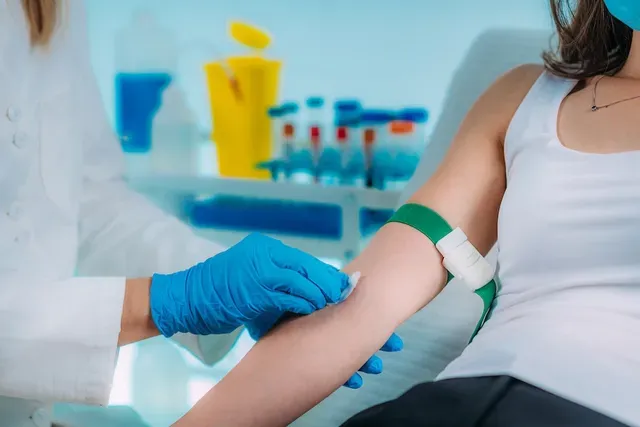
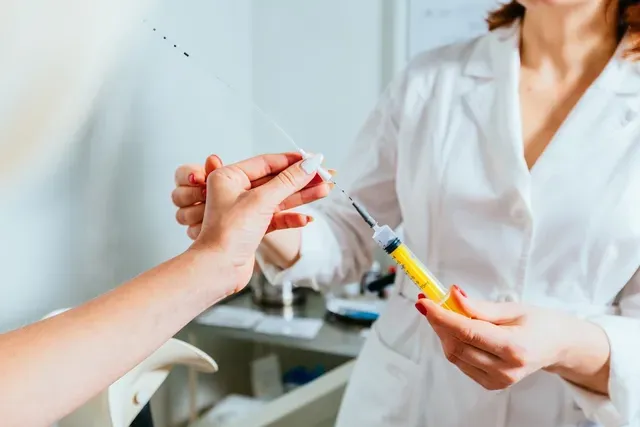
We start with a comprehensive consultation, including blood work and ultrasound, to evaluate your ovarian reserve. Ovarian stimulation follows with daily injections over 10 to 14 days, while we monitor follicle growth. Once ready, a trigger shot finalizes egg maturation, and approximately 36 hours later, an egg retrieval is performed as a brief outpatient procedure under sedation.
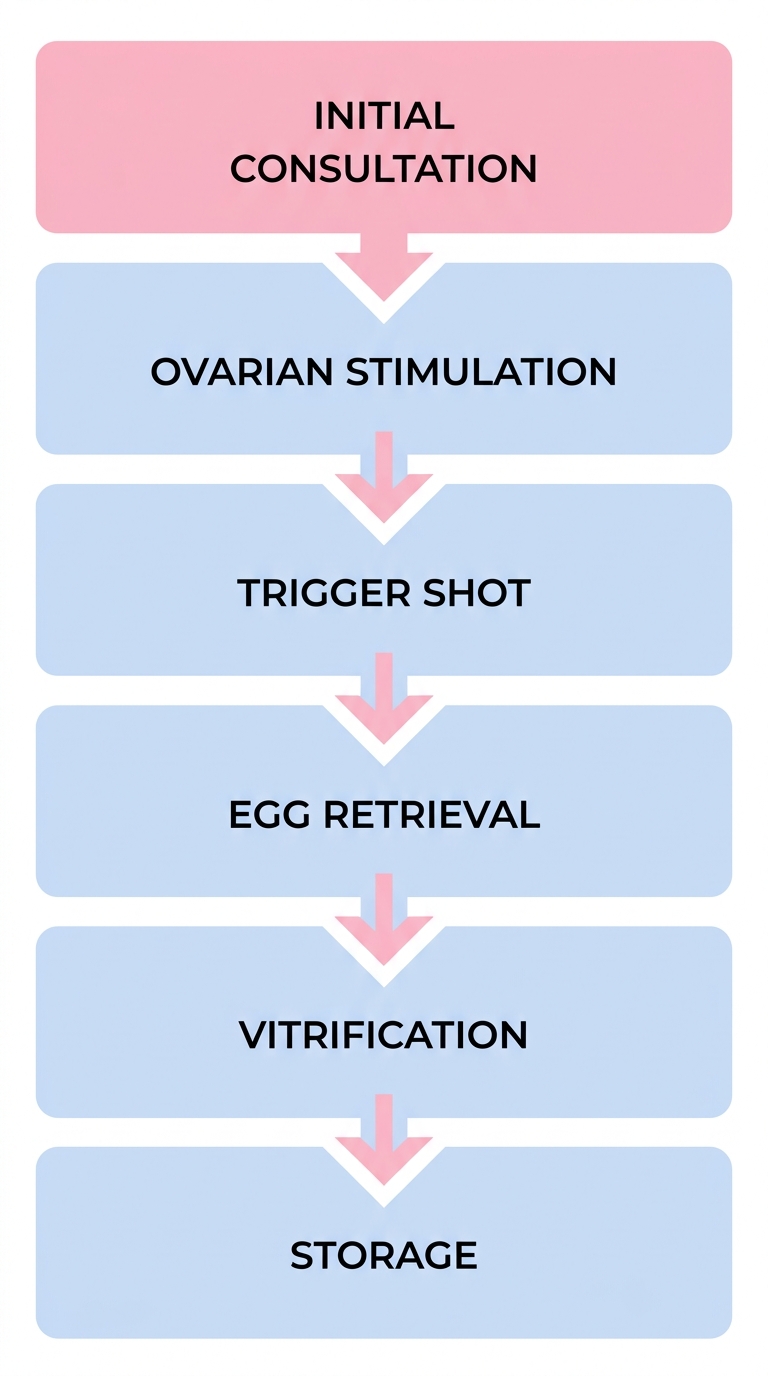
Step-by-step egg freezing process from consultation to storage.
Managing Pain and Recovery After Egg Retrieval
After egg retrieval, most women experience mild bloating, cramping, or light spotting as the ovaries return to their normal size. Recovery is usually swift, with many returning to daily activities within one to two days. Should complications arise, contact our clinic immediately.
Preparing Your Body for Optimal Results
Our team encourages the following habits to optimize your cycle:
- Nutrition: Eat a balanced diet rich in antioxidants.
- Exercise: Engage in moderate, low-impact activities like walking or yoga.
- Supplements: Take a prenatal vitamin and consider CoQ10 if recommended.
- Stress Reduction: Practice meditation or seek counseling to manage emotional stress.
Advanced Considerations: Genetic Testing, Storage, and Future Use
Preimplantation genetic testing (PGT) can be performed on embryos created from thawed eggs. While PGT provides valuable information, it does not guarantee a pregnancy. Eggs can be stored for indefinite periods, with most patients using them within ten years.
Common Questions About Egg Freezing
At what age should I consider egg freezing? Fertility declines with age. The decision is personal; we recommend individualized consultation.
How long does the egg freezing process take? Two to three weeks.
Does egg freezing affect future fertility? It does not diminish ovarian reserve.
How much does egg freezing cost? Typically range from $6,000 to $15,000 per cycle plus storage.
Your Path to Fertility Preservation in South Florida
For those considering Miami Egg Freezing, we provide personalized care in a warm and supportive setting. Contact us today to begin your personalized journey.