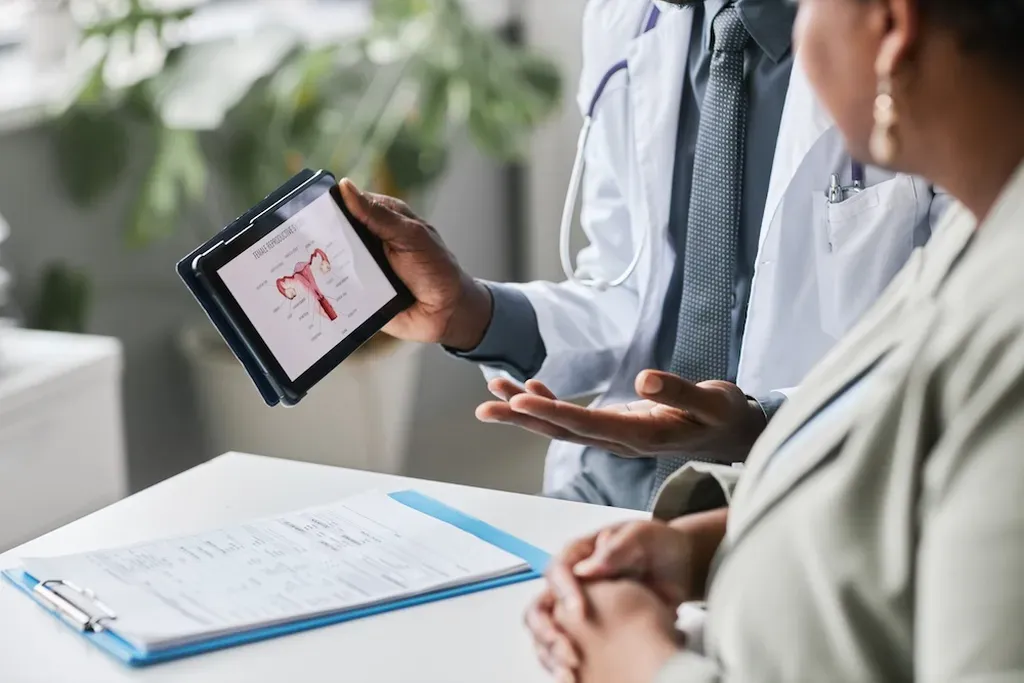
Introduction to Female Fertility
Female fertility refers to a woman's ability to conceive and carry a pregnancy to term. It is a complex interplay of hormonal, anatomical, and physiological processes that work together to support reproduction. Central to this process are the ovaries, which produce eggs (also called oocytes or ova), and the menstrual cycle, which prepares the body for potential pregnancy each month. A woman's fertility is influenced by a variety of factors, including age, overall health, lifestyle, and underlying medical conditions. Understanding female fertility is crucial for those planning a family, managing reproductive health, or addressing fertility challenges.
For many individuals and couples, the journey to parenthood can be filled with hope, but also unexpected challenges. When conception doesn't occur despite regular, unprotected intercourse for a year (or six months for women over 35), infertility may be diagnosed.
Infertility is more common than many realize, affecting millions of women worldwide. It can stem from a range of factors, such as ovulatory disorders, hormonal imbalances, age-related decline in egg quality, structural abnormalities in the reproductive tract, or underlying health conditions like endometriosis or polycystic ovary syndrome (PCOS). Often, there is no single cause—rather, a combination of subtle issues may contribute.
The information presented in this section, along with the sections THE SCIENCE OF REPRODUCTION and MALE FERTILITY, provides a foundation for exploring how fertility functions, what affects it, and the options available for enhancing or preserving reproductive potential. With advances in reproductive medicine, many fertility challenges can be managed or overcome through targeted treatments, lifestyle changes, or assisted reproductive technologies (ART). You are not alone, and understanding your body is the first step toward making empowered, informed decisions on your fertility journey.
Female infertility is a medical condition characterized by the inability of a woman to conceive after one year of regular, unprotected sexual intercourse. It is a complex issue that can result from a variety of anatomical, hormonal, genetic, and environmental factors. According to the World Health Organization (WHO), infertility affects approximately 15% of couples worldwide, with female factors contributing to about 35-50% of cases.
Causes of Female Infertility
The American Society for Reproductive Medicine (ASRM) provides data on the common causes of female infertility, categorized by underlying conditions. According to ASRM and supporting clinical research, the approximate distribution of causes is as follows:
ASRM-Reported Causes of Female Infertility (% estimates):
- Cause Approximate % of Cases
- Ovulatory Disorders 25–30%
- Tubal Factors 20–25%
- Endometriosis 10–15%
- Uterine or Cervical Factors 5–10%
- Diminished Ovarian Reserve (DOR) 10–15%
- Unexplained Infertility 15–30%
- Other/Multiple Factors Variable
Ovulatory Disorders
Ovulation disorders interfere with fertility by disrupting the normal, cyclical release of eggs from the ovaries, which is essential for conception.
- Polycystic Ovary Syndrome (PCOS) - characterized by hormonal imbalances that disrupt ovulation
- Disturbances of the hypothalamus - caused by excessive stress, weight loss, or excessive exercise
- Premature ovarian insufficiency (POI) - early depletion of ovarian follicles before age 40
- Hyperprolactinemia - elevated levels of prolactin (a hormone produced by the pituitary gland in the brain) can interfere with ovulation
Tubal Factors
Fallopian tube damage or blockage can prevent the sperm from reaching the egg.
- Pelvic Inflammatory Disease (PID) - often caused by sexually transmitted infections like chlamydia or gonorrhea
- Previous surgeries - such as for ectopic pregnancies or ruptured appendix
- Endometriosis - can lead to scarring and adhesions in the reproductive tract
Uterine or Cervical Abnormalities
Cervical and uterine factors can interfere with fertility by creating physical or biochemical barriers to conception, implantation, or sustaining a pregnancy.
- Uterine fibroids - benign (noncancerous) tumors that grow within the muscle tissue of the uterus. They are the most common type of uterine growth and are made of smooth muscle cells and fibrous tissue. Fibroids can vary greatly in size and number, and they may be as small as a pea or as large as a melon. They do not always interfere with fertility. Their significance depends on location, size and symptoms.
- Uterine polyps - growths attached to the inner wall of the uterus, typically caused by the overgrowth of endometrial tissue (the lining of the uterus). These polyps can be small or large, and there may be just one or many.
- Congenital abnormalities - e.g. uterine septum, abnormal uterine anatomy
- Asherman's syndrome – scarring (adhesions) inside the uterus
- Cervical stenosis - severe narrowing at the opening to the uterus
- Hostile cervical mucus
Endometriosis
Endometriosis is a condition where tissue similar to the lining of the uterus grows outside of it, often on the ovaries, fallopian tubes, or the tissue lining the pelvis. This can interfere with fertility in several ways:
- Anatomical Disruption: Endometriosis can cause scarring or adhesions in the reproductive organs, including the ovaries, fallopian tubes, or the uterus. These adhesions can block the fallopian tubes, preventing the egg from reaching the sperm, or they can distort the anatomy of the uterus, making it harder for an embryo to implant.
- Ovarian Function: In some cases, endometriosis can affect the ovaries by causing cysts (endometriomas), which can interfere with the release of eggs during ovulation. This can reduce the quality and quantity of eggs available for fertilization.
- Inflammation and Immune Response: The tissue growth in endometriosis can cause inflammation in the pelvic region. This inflammation may harm the surrounding tissues and create an environment that is hostile to the fertilization process, making it harder for sperm to reach the egg or for the fertilized egg to implant in the uterus.
- Hormonal Imbalance: Endometriosis can also affect the body's hormonal regulation, particularly the hormones responsible for ovulation. This can lead to irregular ovulation, which can make it difficult for a woman to conceive.
- Egg Quality: There is some evidence suggesting that endometriosis may also affect egg quality, though this is not entirely understood. Women with endometriosis may have a higher risk of poor egg quality, which can reduce their chances of pregnancy.
Not every woman with endometriosis will experience infertility, and the severity of symptoms and impact on fertility can vary widely. Some women with mild endometriosis may conceive naturally, while others with more severe forms may require fertility treatments such as in vitro fertilization (IVF).
Age-related Factors
Women in their late 30s to early 40s experience a notable drop in fertility. After age 35, fertility declines more rapidly and by the age of 40, the chances of conceiving naturally are significantly reduced. Age-related factors include decline in egg quantity and quality, hormonal changes, and increased risk for miscarriage.
Decline in Egg Quantity and Quality
- Egg Reserve: Women are born with all the eggs they will ever have, and the number of eggs declines with age. By the time a woman reaches her early 30s, her egg count starts to decline more rapidly. This is known as diminished ovarian reserve.
- Egg Quality: As women age, not only does the number of eggs decrease, but the quality of eggs also declines. Older eggs are more likely to have chromosomal abnormalities, which increases the risk of miscarriage and genetic disorders like Down syndrome.
Hormonal Changes
- As women approach their late 30s and early 40s, their levels of reproductive hormones, such as estrogen and progesterone, begin to fluctuate. This can lead to irregular menstrual cycles, making it harder to predict ovulation and conceive.
- Perimenopause (the years leading up to menopause) typically starts in a woman's 40s, and during this time, fertility continues to decline.
Increased Risk of Miscarriage
- As a woman ages, the risk of miscarriage increases. For women over the age of 35, the miscarriage rate is higher compared to younger women, primarily due to the increased likelihood of chromosomal abnormalities in eggs.
While age is the most common cause of diminished ovarian reserve (DOR), other possible causes include genetic factors, some autoimmune conditions, surgery or radiation near the ovaries, chemotherapy, and endometriosis. Some instances of DOR remained unexplained and are termed "idiopathic".
Lifestyle and Environmental Factors
Lifestyle and environmental factors can significantly affect female fertility by influencing hormonal balance, ovulation, egg quality, and overall reproductive health.
- Smoking - reduces ovarian reserve, damages eggs, and accelerates menopause.
- Alcohol and recreational drugs - can disrupt hormone levels and ovulation.
- Body weight - Both underweight and overweight women may experience disrupted menstrual cycles and ovulation. High BMI is linked to polycystic ovary syndrome (PCOS) and insulin resistance, both of which can impair fertility.
- Excessive exercise - can suppress ovulation and lower estrogen levels.
- Chronic stress - may affect hormonal communication between the brain and the ovaries (the "HPO axis") leading to irregular menstrual cycles or anovulation.
- Exposure to environmental toxins and endocrine disrupting chemicals – can impair ovulation and egg quality.
Diagnosis of Female Infertility
A thorough investigation of female infertility should include four primary components: medical history and physical examination, blood tests for hormone levels, documentation of ovulation, and imaging tests of the reproductive system.
Medical History
Evaluating female infertility begins with a thorough history and physical examination to identify potential causes.
- Menstrual History
- Age at menarche
- Cycle regularity, duration, and frequency
- Presence of dysmenorrhea, menorrhagia, or amenorrhea
- Signs of ovulatory cycles (e.g., mittelschmerz, premenstrual symptoms)
- Obstetric History
- Previous pregnancies (live births, miscarriages, ectopic pregnancies)
- Pregnancy complications
- Sexual History
- Frequency and timing of intercourse
- Use of lubricants (some can impair sperm motility)
- History of sexually transmitted infections (STIs)
- Contraceptive History
- Prior use, type, and duration
- Time since discontinuation
- Medical and Surgical History
- Chronic illnesses (e.g., thyroid disease, diabetes)
- Surgeries (especially pelvic or abdominal)
- Radiation or chemotherapy
- Gynecologic History
- History of pelvic inflammatory disease (PID), endometriosis, fibroids
- Pap smears and human papilloma virus (HPV) status
- Uterine anomalies or trauma
- Medications and Substance Use
- Prescription and over-the-counter drugs
- Tobacco, alcohol, recreational drugs
- Supplements and herbal remedies
- Family History
- Reproductive issues (e.g., infertility, premature ovarian failure, genetic syndromes)
- Lifestyle Factors
- Body weight, BMI, exercise habits
- Stress and sleep patterns
Physical Examination
- General Appearance
- Height, weight, BMI
- Signs of virilization (e.g., deep voice, clitoromegaly) - suggesting excess androgen (male hormone) production
- Hirsutism, acne - suggesting excess androgen (male hormone) production
- Acanthosis nigricans (a skin condition characterized by areas of dark, thickened, and velvety skin, typically found in body folds and creases) - suggestive of insulin resistance, PCOS
- Thyroid Exam
- Enlargement, nodules, or tenderness
- Breast Exam
- Galactorrhea (unexpected or inappropriate production of breast milk, unrelated to childbirth or nursing) - suggests hyperprolactinemia
- Signs of estrogen deficiency (e.g., atrophy)
- Abdominal Exam
- Masses, tenderness, previous surgical scars
- Pelvic Exam
- External genitalia: signs of androgen excess or estrogen deficiency
- Speculum exam: cervical abnormalities, discharge
- Bimanual exam: uterine size and shape, masses or tenderness around the ovaries or fallopian tubes, cervical motion tenderness
Hormone Testing
- Follicle stimulating hormone (FSH), luteinizing hormone (LH), estradiol – these blood tests should be done early in the menstrual cycle, typically on cycle-day 2 or 3
- Anti-Müllerian Hormone (AMH) – gives indication of ovarian reserve
- Thyroid and prolactin levels – abnormal levels can cause menstrual cycle irregularities, interfere with ovulation, and increase risk of miscarriage
Ovulation Testing
- Serum progesterone – blood test done in the later part of the menstrual cycle; confirms ovulation has occurred
- Ovulation predictor kits (OPK) - at-home urine test kit detects occurrence of an "LH surge"; confirms pending ovulation
Imaging Tests
- Vaginal ultrasound: To assess presence of ovarian follicles, appearance of ovaries, and uterine structures.
- Hysterosalpingogram (HSG): X-ray procedure to evaluate the patency (openness) of fallopian tubes and uterine structures.
- Sonohysterogram (SHG) / saline infusion sonogram (SIS): For uterine cavity assessment.
Surgical Investigations
A laparoscopy or hysteroscopy may be recommended if indicated for specific circumstances only. These procedures are not part of a "routine" infertility evaluation.
Treatment Options for Female Infertility
When a woman is seeking treatment for infertility, the recommended plan for treatment will depend on several factors: the underlying cause(s), age of the patient and partner, religious and cultural factors, access to care, and financial considerations. Therapeutic options fall into four main categories including medical treatments, surgical treatments, assisted reproductive technologies, and lifestyle modifications.
Medical Treatments
- Ovulation induction - with oral medications like clomiphene citrate or letrozole, or injections with gonadotropins.
- Hormonal treatments - to correct levels that are too high or too low, such as thyroid or prolactin disorders.
- Metformin - for insulin resistance and PCOS.
Surgical Treatments
- Laparoscopy – to remove fibroids or endometriosis
- Tubal surgery - to open or repair blocked fallopian tubes
Assisted Reproductive Technologies (ART)
- Intrauterine insemination (IUI): Placing sperm directly into the uterus; often done in combination with ovulation induction medications.
- In vitro fertilization (IVF): Controlled stimulation of the ovaries to produce multiple eggs, followed by fertilization of the eggs in the laboratory. Resulting embryo is then transferred into the uterus.
- Intracytoplasmic sperm injection (ICSI): A laboratory procedure done in conjunction with IVF treatment. A single sperm is injected into an egg to enable fertilization to occur.
Lifestyle Modifications
- Weight management
- Smoking cessation
- Reducing alcohol and caffeine intake
- Managing stress
Psychological and Emotional Impact of Infertility
Infertility can lead to significant psychological stress, depression, anxiety, and relationship issues. Emotional support, counseling, and support groups can play a crucial role in coping with the condition.
Prevention and Risk Reduction
Prevention and risk reduction are critical components in addressing female infertility because they help minimize the chances of developing fertility-related issues before they become difficult or irreversible. Recommendations for women interested in protecting their fertility:
- Understand the significance of maternal age
- Seek care before reproductive potential is severely limited
- Timely treatment of sexually transmitted infections
- Maintain a healthy weight and exercise regimen
- Avoid excessive alcohol and tobacco
- Limit exposure to environmental toxins
Female infertility is a multifaceted condition with various underlying causes, many of which are treatable. Early diagnosis and appropriate intervention, coupled with emotional and psychological support, significantly improve the chances of achieving pregnancy. Awareness, education, and timely access to reproductive healthcare are essential in addressing and managing infertility effectively.