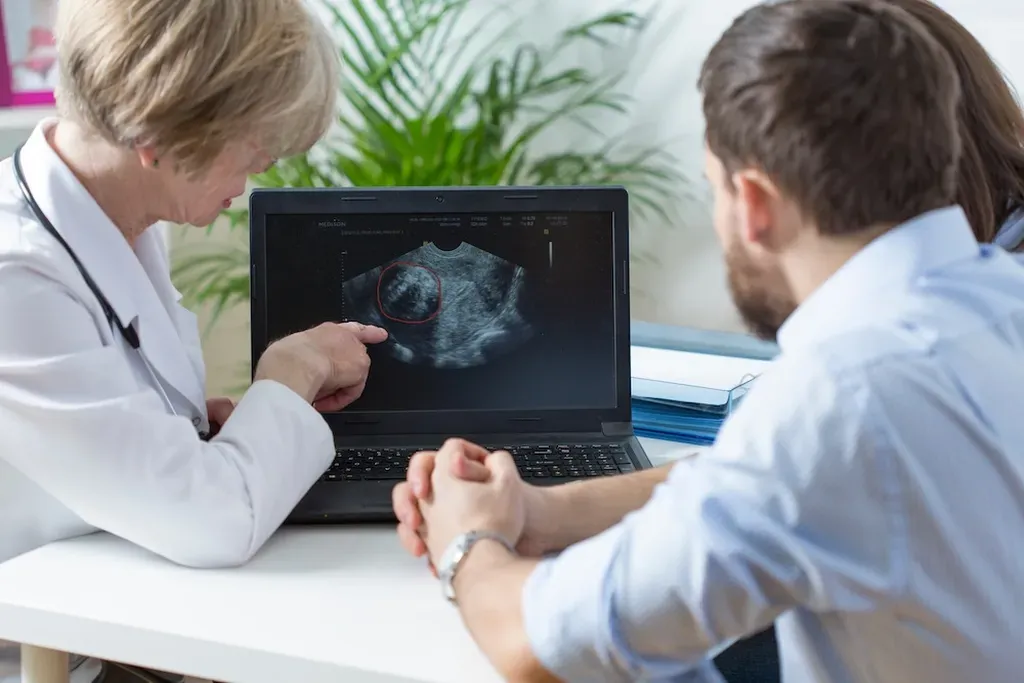
It's important to see a reproductive endocrinologist (RE) when you're dealing with specific fertility issues or hormonal conditions affecting reproduction. Here are key situations when seeing an RE is recommended:
If you or your partner have been diagnosed or have experienced any of the conditions listed below:
Very irregular, absent, or extremely painful periods could signal hormone problems that a reproductive endocrinologist can diagnose and treat.
If you've had chemotherapy, radiation, or major pelvic surgeries in the past, OR if you have recently been diagnosed with a medical condition that will require chemotherapy or surgery involving the reproductive organs, an RE can assess potential fertility impacts and suggest fertility preservation options. With new diagnoses, time is critical. A referral/consultation with an RE should be made as soon as possible.
If you have a family history of genetic disorders, an RE can guide you through preimplantation genetic testing (PGT) that can be done as a part of in vitro fertilization (IVF) treatment.
People who need donor sperm, donor eggs, or gestational carriers usually work with a reproductive endocrinologist.
Issues like premature ovarian failure, Turner syndrome, Klinefelter syndrome, or other endocrine disorders related to reproduction are best handled by a specialist.
If you're considering egg freezing or sperm freezing for future family planning, an RE is the appropriate doctor to see.
In summary, you should see a reproductive endocrinologist whenever there's a delay in conception, a known reproductive health concern, or a desire to preserve fertility. REs have advanced training in both gynecology and hormone-related fertility problems, offering treatments like in vitro fertilization (IVF), intrauterine insemination (IUI), egg/sperm freezing, and hormonal therapies. REs have established relationships with urologists who specialize in male fertility, and can coordinate treatment plans when both members of a couple require medical intervention.