




Table of Contents
Donor Egg Program and IVF Options in Miami, Florida
Elite IVF Solutions offers a comprehensive donor egg program and IVF options in Miami, Florida, for individuals and couples seeking fertility care. Based in Weston, we serve the Miami area with advanced third-party reproduction, including donor egg IVF. We provide integrated support such as genetic counseling and emotional well-being groups to guide you through the process.
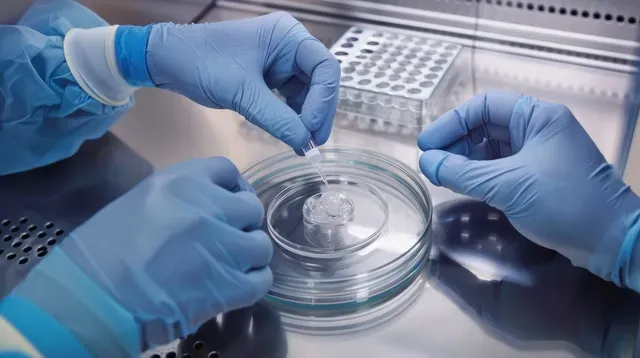
Donor egg IVF involves ovarian stimulation of a screened egg donor, followed by retrieval of eggs, which are then fertilized in our embryology lab. As reported by SART, a complete egg donor cycle may span two to six weeks and includes comprehensive medical screening, hormonal monitoring, and embryo culture. The diversity of egg donors available at our Miami egg donor program is thoroughly screened medically, genetically, and psychologically. We partner with a dedicated egg donor agency in Miami to streamline donor matching, legal agreements, and medical coordination. Financial planning is an integral component of your donor egg IVF journey.
Cost Considerations for Donor Egg Programs and IVF
In South Florida, the cost of IVF with donor eggs is as legally defined as it is medically defined. Every donor contract in our practice includes a comprehensive agreement that outlines the legal and financial obligations of all parties.
A legal, binding, gamete donation agreement is essential. The ASRM Legal Professional Group states that a formal, written contract is a necessity for all third-party donation agreements, regardless of whether the donor is known or anonymous. An agreement grants intended parents legal status as the child's parents while releasing the donor from any legal and financial obligations of parenthood. It also details compensation terms, confidentiality provisions, and the disposition of any unused embryos. Independent legal counsel for each party removes the potential for conflict of interest and ensures that the parties fully understand the terms of the agreement.
The ASRM Legal Professional Group states egg donors can be compensated for their time, effort and inconvenience. Embryo donors are limited to the reimbursement of actual, reasonable expenses, and the sale of embryos is ethically unacceptable. The sale of organs is prohibited by federal law, and standards protecting everyone involved in the process and thoughtfully balancing the interests of all parties involved in third-party reproduction are established and reinforced.
At Elite IVF Solutions, we don't provide specific treatment costs or donor compensation on our site because each plan is personalized to your medical needs, insurance plan, and goals. During a consultation at our Weston office, our financial team explains costs and benefits of your plan, as well as your financing options. After this personalized discussion, you have a clear idea of what your plan will cost.
When the financial and legal aspects are clarified, selection of donors and embryo transfer are the next steps in the process, and our team handles the details.
The Donor Egg IVF Process: Steps from Selection to Transfer
Donor egg IVF follows a structured clinical process that coordinates two individuals' cycles to achieve a pregnancy. As part of a donor egg program and IVF options in Miami, FL, the journey from donor selection to embryo transfer typically spans several weeks and involves carefully managed medical and laboratory steps.
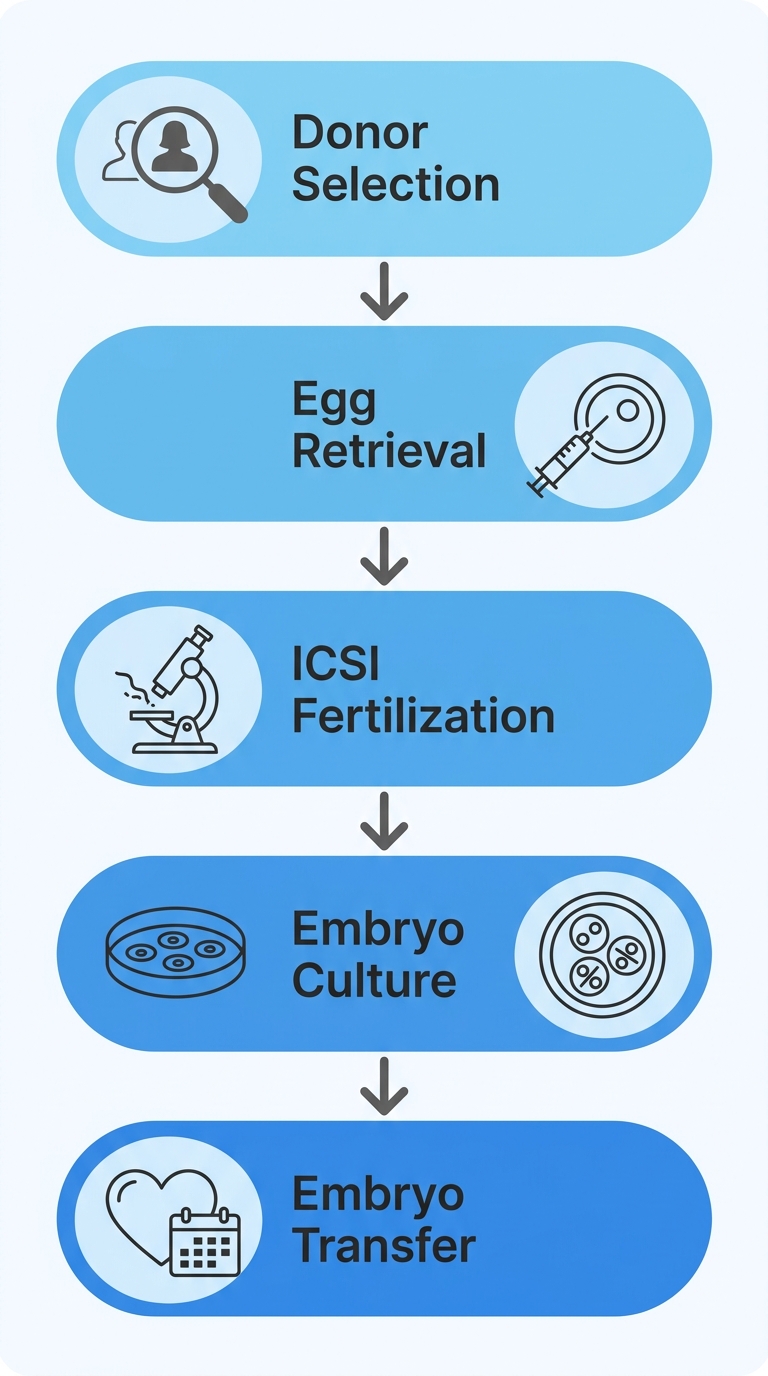
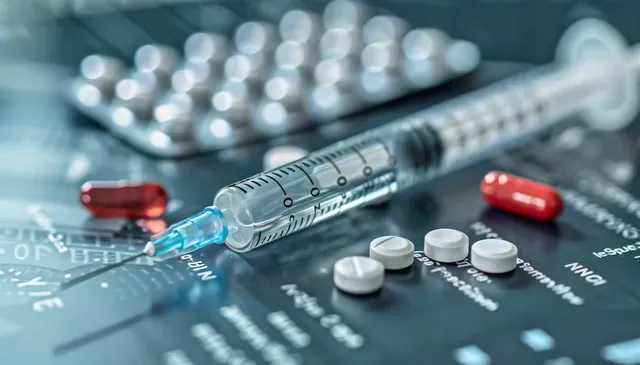
To begin the process, potential donors are medically and genetically screened to select a candidate who meets our established health criteria. Next, the intended mother's uterine lining is prepared and the donor's cycle is synchronized using hormone therapy, creating an optimal endometrial lining for implantation. This phase requires precise coordination to ensure the donor's stimulation aligns with the recipient's cycle within our clinic's oversight.
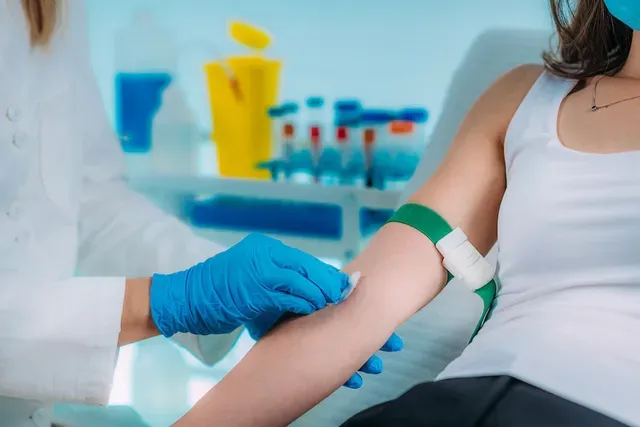
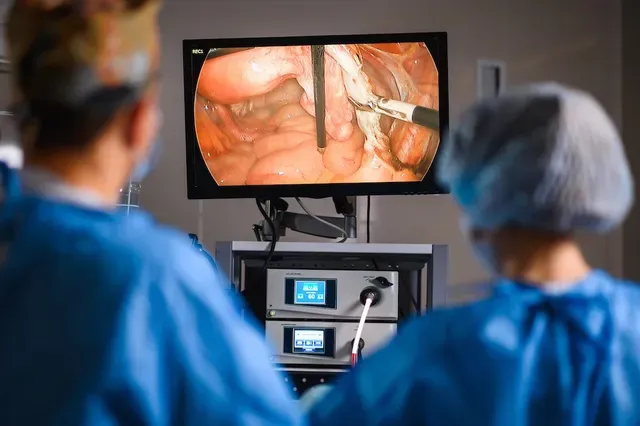
According to the Society for Assisted Reproductive Technology (SART), the donor undergoes controlled ovarian stimulation using follicle-stimulating hormones to develop multiple eggs. Monitoring through ultrasound and blood tests tracks follicular growth. Once mature, a trigger injection is administered, and egg retrieval is performed under ultrasound guidance approximately 34 to 36 hours later, yielding an average of 8 to 15 oocytes.
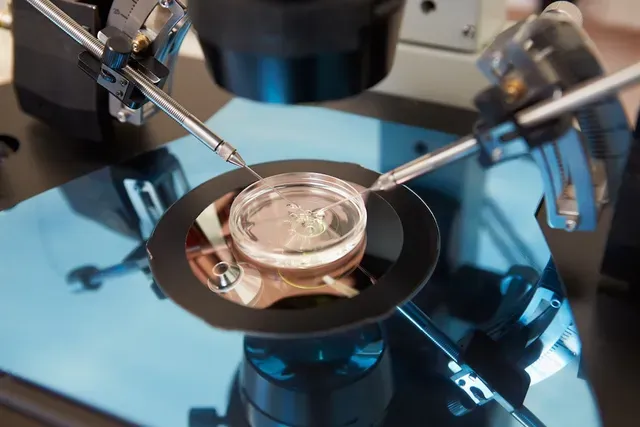
Fertilization is achieved when a single sperm is injected into each mature egg via intracytoplasmic sperm injection (ICSI). Then, embryos are cultured for three to six days. Healthy blastocysts may be transferred fresh, while additional viable embryos are vitrified for later use.
A predetermined number of embryos is transferred to the recipient's uterus under ultrasound guidance. After the embryo transfer, the patient receives hormonal support (primarily progesterone) to maintain the uterine lining. Approximately 8 to 14 days later, a beta hCG blood test is performed to confirm pregnancy. After confirmation of a fetal heartbeat, the patient is released to her ob-gyn at approximately 8 to 10 weeks gestation.
With the medical steps clear, intended parents must also navigate the legal and privacy dimensions of donor egg arrangements.
Legal and Privacy Aspects of Donor Egg Arrangements
A well-drafted legal contract outlines the rights and responsibilities of the parties in a donor egg arrangement. Written agreements are considered necessary regardless of donor anonymity.
The contract needs to unambiguously provide that the intended parents are the legal parents of the children created by the donor egg and that the egg donor is not the legal parent of the children created and does not have any legal obligations to the children created. It is advisable that each party have independent legal counsel review the contract before signing to ensure that they fully understand the terms and address any potential conflicts of interest.
Compensation for egg donors is standard practice and should be detailed in the agreement, though embryo donation contracts typically involve only reimbursement for reasonable expenses. Irrevocability clauses and choice-of-law provisions protect all parties from future disputes and ensure that the contract remains enforceable under the governing state's statutes. Florida law, including Fla. Stat. Ann. Sec. 742.11-742.17, provides specific frameworks for these arrangements, making local legal guidance particularly valuable for intended parents navigating the process in South Florida.
When considering a donor egg arrangement, individuals should consult with a qualified reproductive law attorney who can review their specific circumstances and draft an agreement that complies with current Florida statutes. This summary reflects standard practice, and is not a substitute for legal advice.
Timeline Expectations for Donor Egg IVF Cycles
A donor egg IVF cycle typically spans two to six weeks, beginning the month before the active treatment phase. For patients exploring donor egg programs and IVF options in Miami, Florida, understanding this timeline helps you plan and feel prepared.
Pre-treatment involves the use of synchronizing hormonal medications in the month prior to stimulation to coordinate the donor's cycle with the recipient's uterine lining. This step helps align the treatment to the recipient's cycle.
During the treatment phase, the donor receives medication to help several follicles develop on the ovaries. The treatment is monitored closely via blood tests and ultrasounds. After follicular development, 8 to 15 oocytes are typically retrieved, according to the Society for Assisted Reproductive Technology (SART), a leading source of professional guidelines in assisted reproduction.
After retrieval, the eggs are fertilized using intracytoplasmic sperm injection (ICSI). The resulting embryos are cultured for three to six days, at which point they can be transferred fresh to the recipient's uterus or cryopreserved through vitrification for a future frozen embryo transfer.
These timeframes represent standard expectations for donor egg IVF. The clinical team at Elite IVF Solutions gives each patient a personalized time frame for their cycle based on their treatment protocol. Once the cycle is complete, we discuss success rates and the support services available in our warm and supportive setting to guide you through the next steps of your journey.
Success Rates and Support Services for Donor Egg IVF in Miami
Age-related fertility decline can reduce the chance of achieving pregnancy through assisted reproduction. At Elite IVF Solutions, we use eggs from healthy, thoroughly screened donors, effectively bypassing age-related fertility decline. Donor egg IVF achieves some of the highest pregnancy rates in assisted reproduction. We pride ourselves on our advanced IVF protocols and a meticulous embryology laboratory. These advanced protocols and our meticulous embryology laboratory produce consistently strong outcomes.
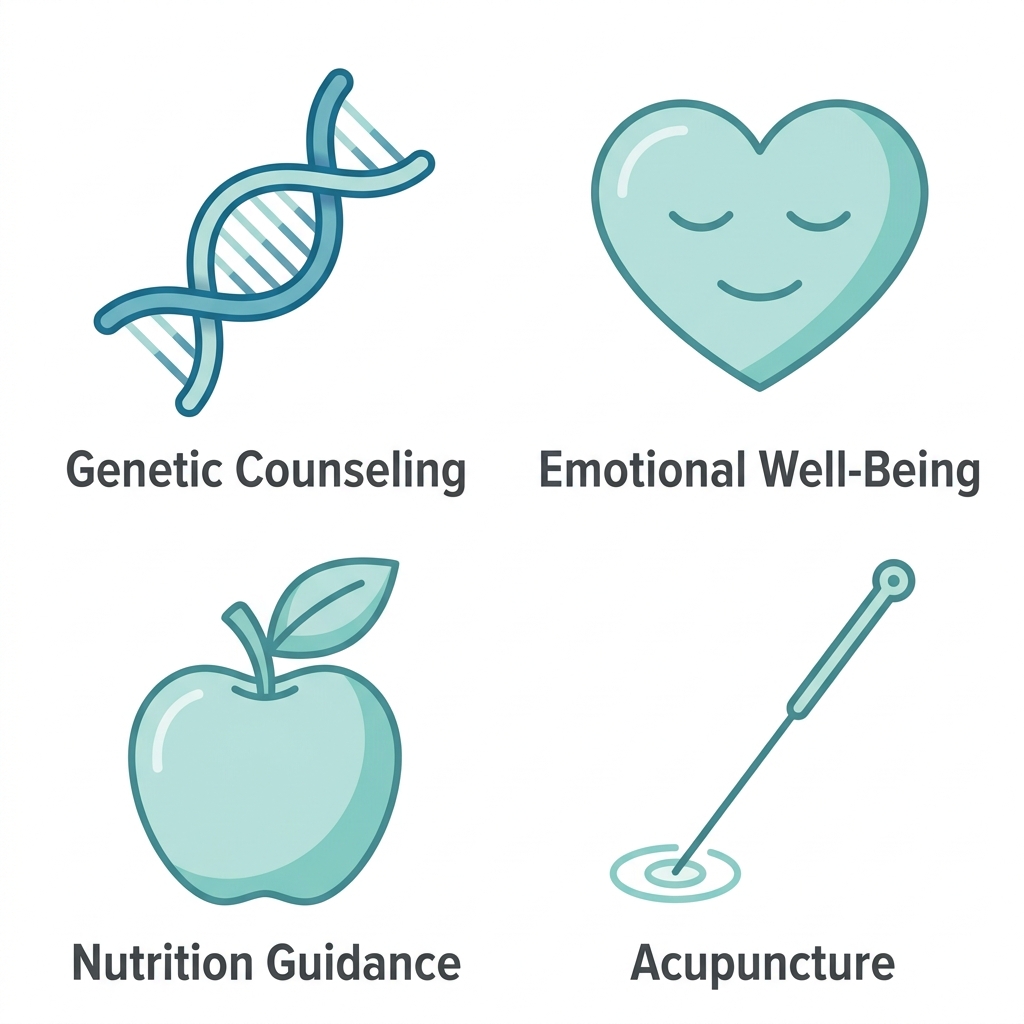
Miami egg donor candidates are thoroughly vetted by our team of medical professionals through comprehensive medical, genetic, and psychological screening, and we help you find the right egg donor in Miami from a rigorously assessed pool; we also surround every cycle with emotional well-being groups, genetic counseling, nutrition guidance, and acupuncture, all tailored to support you physically and emotionally. We understand the importance of personal preferences to potential recipients and leverage our expertise to tailor each egg donor miami cycle to those preferences. A legal agreement, recommended by the ASRM Legal Professional Group and designed to safeguard the rights of all parties involved, is completed prior to treatment to clarify parental rights and donor obligations and to ensure full protection under Florida law.
The Egg Donor IVF process is complex and consists of numerous steps including donor selection, synchronization of cycles, retrieval of eggs, fertilization and transfer of the embryos. Patients pursuing egg donor IVF in Miami choose us for our strong track record and comprehensive support. As a result, families in Miami and South Florida trust us with their care.
Begin Your Donor Egg IVF Journey with Elite IVF Solutions
A typical IVF cycle spans two to six weeks, per SART. At Elite IVF Solutions, we provide genetic counseling and emotional well-being support. Results may vary based on individual patient conditions. We invite you to explore donor egg program and IVF options in Miami, FL by contacting our Weston office for a personalized consultation.
Consult a healthcare professional for personalized medical advice; information is for educational purposes only and not a substitute for professional medical advice.