Genetics is the study of genes, which are tiny pieces of information in your cells that determine how your body grows and functions. You inherit your genes from your parents, and you pass them on to your children. Some genetic conditions can affect your ability to conceive or carry a healthy pregnancy. Others may increase the risk of passing on a genetic disorder to your child. Reproductive medicine uses genetic testing and counseling to look for these risks and help you make informed decisions. The information in this section explains the basics of genetics, followed by the role of genetics in reproductive medicine.
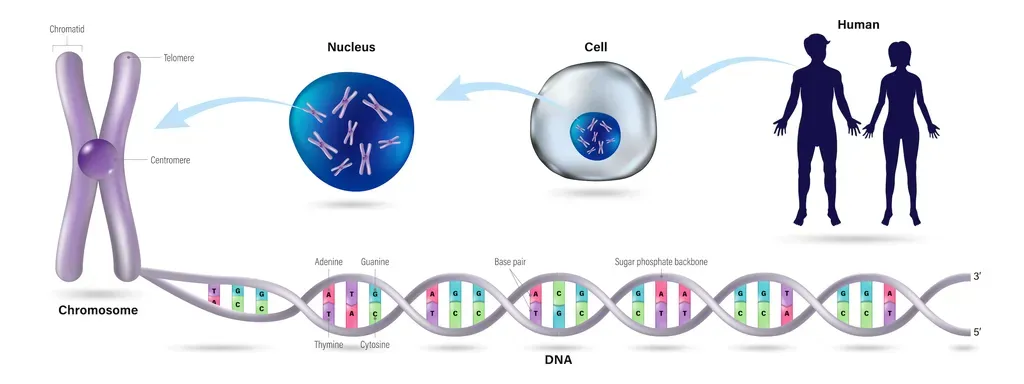
Some genetic conditions can affect your ability to conceive or carry a healthy pregnancy. Others may increase the risk of passing on a genetic disorder to your child. Reproductive medicine uses genetic testing and counseling to look for these risks and help you make informed decisions.
Genetic testing can help explain certain causes of infertility, such as inherited conditions or chromosome changes.
You and your partner can be tested to see if you "carry" genes for certain inherited conditions (like cystic fibrosis or Tay-Sachs). Even if you're healthy, you could still pass on a condition to your child if both partners are carriers of the same disorder.
If you're using IVF (in vitro fertilization), embryos can be tested for genetic conditions before they are implanted, helping improve the chances of a healthy pregnancy. Doctors can help couples make informed decisions, such as use of donor eggs and/or sperm if one partner carries a genetic condition.
Genetic counseling can help you understand your family history and make choices about timing, testing, and treatment.
Genetics can influence how an individual responds to fertility medications. This information can help tailor hormonal treatments and improve success rates of assisted reproduction.
When it comes to fertility, both men and women can be affected by genetic factors that interfere with the ability to conceive or carry a pregnancy. Here are a few examples of how genetics can play a role in infertility:
In Women:
In Men:
In Couples:
A genetic counselor is a healthcare professional who helps individuals and families understand and make informed decisions about genetic conditions. Their primary functions include:
Evaluate personal and family medical histories to determine the likelihood of a genetic condition. Assess the risk of inherited disorders or birth defects.
Explain complex genetic concepts in understandable terms. Provide information about specific genetic conditions, inheritance patterns, testing options, and available treatments.
Recommend appropriate genetic tests and help interpret the results. Guide patients through the testing process, including potential outcomes and implications.
Help individuals cope with the psychological and emotional aspects of genetic conditions or test results. Support decision-making related to family planning, treatment options, or preventive measures.
Assist patients in making choices that align with their values and beliefs. Ensure patient confidentiality and informed consent throughout the process.
Genetics can sound complex, especially when you're already dealing with the emotional weight of infertility. But you're not alone—many couples facing infertility find answers through genetic testing and counseling. The entire EIS clinical team is available to help you navigate these issues, answer your questions, and plan your personalized care.