














Table of Contents
PCOS and Fertility Care: What South Florida Women Should Know
For South Florida women who have been diagnosed with PCOS and are trying to conceive, the anxiety and frustration caused by the rolling cycles and/or the inability to pinpoint ovulation is overwhelming. More often than not, the answers seem beyond reach. South Florida women do not need to look for these answers beyond the area. The women of Elite IVF Solutions in Weston understand the emotional burden of having PCOS and are committed to helping South Florida women move forward with clarity. Our Elite IVF Solutions Weston location is much closer to many South Florida women. Often times, travel for fertility related care is a burden and our Weston location provides much needed relief from the burden of travel. The first step to hope is having a concrete diagnosis. Our Weston clinic brings specialized fertility care closer to home for many South Florida women, easing travel burdens.
Diagnosing PCOS: The Rotterdam Criteria and Testing Explained
When PCOS is suspected as a cause of fertility difficulties, establishing a clear diagnosis of PCOS is the first formal step. At our Weston clinic, we follow the internationally accepted Rotterdam criteria for all our patients. These criteria stipulate the presence of at least two of the following three features:
- Irregular or absent menstrual cycles (oligo-/anovulation)
- Clinical or biochemical signs of androgen excess (hyperandrogenism)
- Polycystic ovarian morphology detected by ultrasound
As with PCOS, other conditions may manifest with similar symptoms and require a broad differential diagnosis. We always test for these to rule them out prior to a confirmation of PCOS.
The process is a careful clinical assessment, not a single blood test. A thorough diagnostic evaluation in our South Florida center typically proceeds through:
- A detailed medical history: we ask specifically about menstrual irregularity, adult acne, and abnormal hair growth
- A physical examination checking for hirsutism and other androgen-related signs
- Laboratory testing: blood panels measure free and total testosterone, DHEA-S, and often a 17-hydroxyprogesterone level to exclude the adrenal form
The third pillar of the evaluation is transvaginal ultrasound. Small (2-9mm) antral follicles are counted and ovarian volume is estimated. In the adult female, an ovarian volume greater than 10mL or more than 20 small follicles per ovary supports the diagnosis of polycystic ovary morphology. Ultrasound, however, is never used to make the diagnosis of polycystic ovarian syndrome (PCOS) on its own.
The classic phenotype of PCOS is hyperandrogenism with ovulatory dysfunction. The non-hyperandrogenic phenotype is characterized by polycystic ovarian morphology and ovulatory dysfunction in the presence of normal androgen levels. Recognizing the subtype helps tailor the conversation around next steps.
There are many metabolic and reproductive challenges related to PCOS. These are often related to insulin resistance. Once PCOS is confirmed, it is prudent to manage this insulin resistance, if not already done so. The team in Weston will help you with scheduling a thorough evaluation. Our team is here to assist you on your fertility journey in South Florida.
Managing Insulin Resistance in PCOS: Diet, Exercise, and Clinical Treatments
Insulin resistance is a central metabolic disturbance that affects many women with polycystic ovary syndrome (PCOS). When cells become less responsive to insulin, the pancreas produces more of the hormone, which in turn stimulates the ovaries to overproduce androgens. This hormonal imbalance can disrupt ovulation and contribute to the irregular cycles and fertility challenges commonly seen with PCOS.
In managing insulin resistance, women with PCOS need a multifaceted approach that combines thoughtful nutrition, regular physical activity, and targeted clinical treatments.
Changes to nutrition are critical. We focus on a low glycemic diet, which is one that incorporates a balance of fiber and protein throughout the day. Eating a complex carbohydrate, fiber-rich meal with protein helps regulate blood sugar and insulin levels. Consistent meal timing—eating at regular intervals throughout the day—helps stabilize blood glucose and curb the sharp insulin spikes that can worsen symptoms.
Exercise is another powerful tool to improve insulin sensitivity. Accumulating at least 150 minutes of moderate-intensity aerobic activity per week, combined with two or more sessions of resistance training, has been shown to enhance glucose uptake by muscles and reduce circulating insulin levels. These activities improve insulin sensitivity.
We also include discussion of insulin-sensitizing agents such as metformin and inositol. The use of these agents is informed by evidence. Improving the body’s sensitivity to insulin may, in some patients, assist in the return of ovulation. It is important to highlight that any medication should be introduced only after a careful discussion with a healthcare practitioner. As mentioned previously, medications should be used as part of a larger plan encompassing lifestyle modifications and other interventions and are not replacements for lifestyle changes. Treatment is individualized to the patient, her goals and her overall health.
Weight management, when relevant, can further amplify metabolic improvements. Even a modest reduction of 5 to 10 percent of body weight has been associated with better insulin sensitivity, more regular cycles, and improved hormonal markers. These improvements can occur without requiring extreme measures.
Improving insulin sensitivity is important in achieving PCOS fertility potential. Whether a patient ultimately conceives spontaneously, with ovulation induction, or through advanced treatments such as IUI or IVF, addressing the metabolic foundation first often improves the chances of a successful pregnancy. At our clinic, our goal is to provide the education, tools, and collaborative care patients need as they pursue their family-building goals.
Effective Lifestyle Changes for PCOS Symptom Relief
While a balanced diet and regular physical activity form the cornerstone of insulin resistance management in PCOS, a truly effective lifestyle plan extends beyond these two pillars. Stress reduction, restorative sleep, and sustainable habits all influence hormone balance and symptom severity. The key is recognizing that small, consistent shifts often produce more lasting relief than drastic, short-term changes.
Managing stress plays a critical role because elevated cortisol can worsen insulin resistance and disrupt ovulation. Incorporating mindfulness practices such as meditation, yoga, or deep breathing into a daily routine helps regulate the stress response. Short, regular sessions—five to ten minutes—can reduce reactivity; progressive muscle relaxation or guided imagery are especially practical.
Similarly, prioritizing sleep is essential—aiming for seven to eight hours of quality rest each night supports hormonal regulation and improves energy levels, making it easier to maintain other healthy habits. Good sleep hygiene—consistent bedtimes, limiting screens before sleep, and creating a cool, dark bedroom—helps improve sleep quality.
When it comes to weight management, a personalized approach works best. Losing weight with PCOS can be challenging, but even modest, gradual reductions are linked to improved menstrual regularity and insulin sensitivity. Instead of restrictive diets that are hard to sustain, focus on whole foods rich in fiber, lean proteins, and healthy fats. Combining aerobic exercise—like brisk walking or cycling—with resistance training further enhances the body’s ability to use insulin effectively. The goal is to create a rhythm that fits your life, not a rigid regimen that leads to burnout. We encourage realistic short-term goals and small victories to sustain motivation.
These lifestyle measures offer powerful support, yet they complement, not replace, medical care. If symptoms persist or fertility becomes a concern, we provide personalized care that integrates evidence-based lifestyle guidance with advanced medical treatments when needed.
Medical Treatments for PCOS-Related Infertility
When other interventions have not encouraged ovulation, treatments for PCOS can be evidence-based next steps. At our clinic, we take a personalized approach to fertility and start each plan with the least intrusive methods. We have compassionate and knowledgeable staff and we welcome you to your first consultation.
First-line ovulation induction often involves oral medications such as clomiphene citrate or letrozole, and some patients also benefit from metformin. Clomiphene and letrozole work by modifying the hormonal environment to promote ovulation. Metformin can benefit some patients. We can monitor the maturation of the follicle with ultrasound and indicate to the patient when to have intercourse or an insemination. This cycle can be done to reduce the risk of multiple gestation.
When first-line oral medications have not been successful, the next step would be IUI. IUIs use processed, highly motile sperm that are placed in the uterine cavity, often with an ovulation medication to assist in timing. This technique bypasses cervical barriers and brings sperm closer to the fallopian tubes. We perform every IUI in a calm, comfortable, and friendly environment, aligning the treatment with your personalized ovulation protocol.
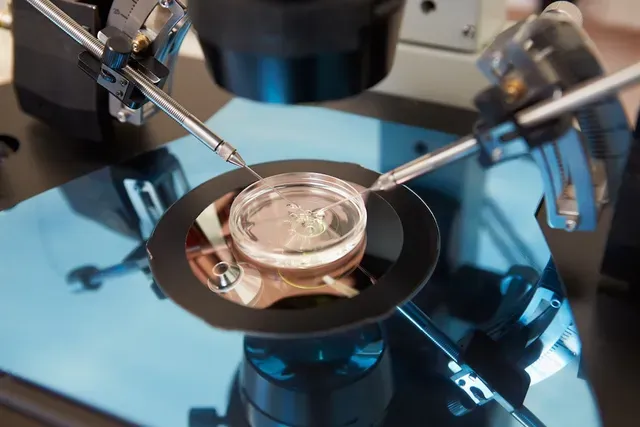
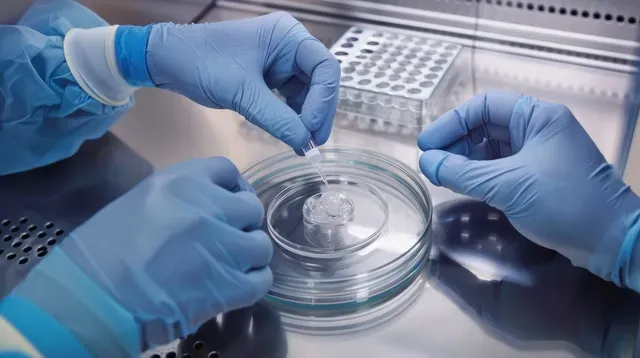
For cases involving tubal factor, severe male factor, or when ovulation induction and IUI have not resulted in pregnancy, in vitro fertilization (IVF) offers the most advanced option. During IVF, eggs are retrieved, fertilized in the laboratory, and cultured to the blastocyst stage. Couples who may benefit from embryo screening can add preimplantation genetic testing (PGT) to their IVF plan; genetic testing is not offered separately. We employ blastocyst culture and assisted hatching when indicated and conduct every IVF cycle in a warm and supportive setting to keep you informed.
Following a fresh IVF cycle, any high-quality embryos not transferred can be vitrified and stored. Frozen embryo transfer (FET) allows a later pregnancy attempt without repeating the full ovarian stimulation and egg retrieval. After the uterine lining is prepared with hormonal support, a thawed embryo is transferred in a brief, gentle procedure.
Treating infertility with some of these procedures helps minimize some of the long-term health risks associated with PCOS, which we discuss in the next section.
Long-Term Health Risks of Untreated PCOS
Polycystic ovary syndrome (PCOS) affects many aspects of a woman's health beyond reproductive health. PCOS also affects many aspects of a woman's metabolic health. While fertility treatments can address immediate conception goals, untreated PCOS carries a cumulative burden of long-term health risks that deserve thoughtful attention.
The metabolic consequences of unmanaged PCOS are among the most significant. Insulin resistance, a core feature of the condition, impairs the body's ability to handle glucose effectively and directly drives the progression toward impaired glucose tolerance and type 2 diabetes. Over time, the steady strain on pancreatic function can lead to a diagnosis that fundamentally alters long-term health.
Untreated PCOS also increases cardiovascular risks through dyslipidemia—frequently marked by elevated triglycerides and low HDL cholesterol—together with hypertension and chronic low-grade inflammation. These interrelated factors accelerate atherosclerotic changes and raise the likelihood of heart disease, reinforcing why PCOS must be viewed through a whole-body lens.
On the gynecological side, a lack of ovulation for prolonged periods of time means a continued presence of estrogen without progesterone. Over time this hormonal environment can promote endometrial hyperplasia, a thickening of the uterine lining that, over many years, substantially elevates the risk of endometrial cancer.
Untreated PCOS has also recently been linked to metabolic syndrome and to non-alcoholic fatty liver disease. Metabolic syndrome is a cluster that includes abdominal obesity, elevated blood pressure, and abnormal lipid profiles.
Women who have PCOS are at an increased risk for anxiety and depression and have higher rates of negative body image. Weight and fertility concerns combined with a preoccupation with physical appearance leads to a significant decrease in quality of life. This only adds to the psychological stress and anxiety. Psychological stress adds to the risk for other complications.
Although there is a genetic predisposition for PCOS, the overall risk is impacted by the individual’s lifestyle and weight. When PCOS remains unrecognized or untreated, these risks intensify. Timely diagnosis and ongoing oversight, however, offer meaningful opportunities to reduce their impact.
Our team looks beyond immediate fertility outcomes to address the full health picture of PCOS. By providing education, coordinated referrals, and a comprehensive care model, we partner with patients to safeguard their well-being today and in the years ahead.
How Elite IVF Solutions Supports Your PCOS and Fertility Journey
We understand how draining a diagnosis of polycystic ovary syndrome (PCOS) can be while trying to get pregnant. That's why we offer a continuous, coordinated approach that spans comprehensive diagnostics, evidence-based ovulation induction, IUI, IVF, and genetic testing. Our care also includes nutrition counseling, emotional support and preservation of fertility.
From your very first visit, we take the time to understand your history, clarify your diagnosis, and set a plan to meet your goals. Your journey is supported by our embryologists, physicians, and nurse practitioners, who provide clear communication and compassionate support.
We encourage you to set up a visit for the development of a personalized PCOS diagnosis and management plan. We take great pride and joy to accompany you on your journey of building your family. Please feel free to call our office at 954-999-5955 or visit our office located at 1609 Town Center Circle to take your first step.
Schedule Your PCOS Consultation Now
Now that you understand the steps to diagnosing PCOS using the Rotterdam criteria and the importance of managing insulin resistance through diet, exercise, and medical treatments, you are ready to take the next step. Elite IVF Solutions provides a full continuum of care for women with PCOS in Weston, Florida, from diagnostic workup through advanced fertility treatments. Our team, led by specialists in reproductive endocrinology, offers personalized care in a warm and supportive setting. Your journey to improved fertility doesn't have to be overwhelming. We are here to guide you through every stage, from ovulation therapies to IVF. Schedule your consultation today to discuss a tailored plan for your PCOS and fertility goals. Our clinic is conveniently located at 1609 Town Center Circle, Weston, FL 33326, and you can reach us at 954-999-5955.